Show Mobile Navigation
Powered by Blogger.
WTF
Showing posts with label WTF. Show all posts

Friday, 10 October 2014

Overloaded Vehicles Only in China

MY GID - Friday, October 10, 2014
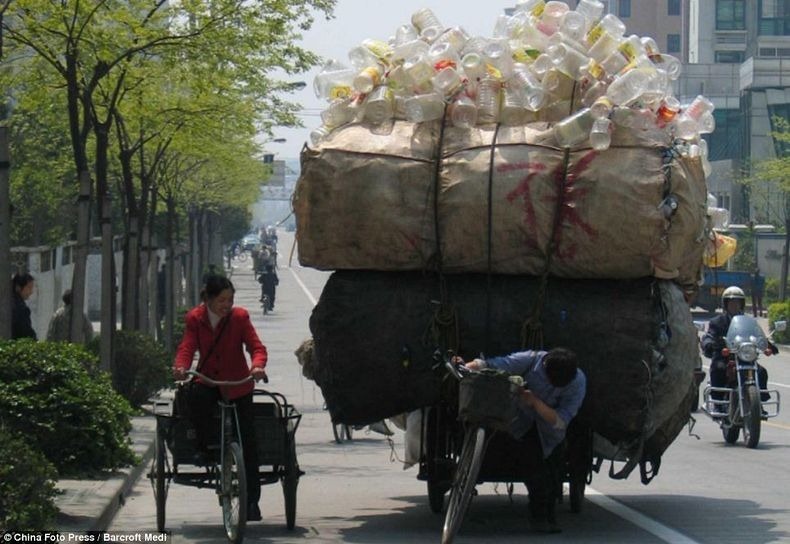
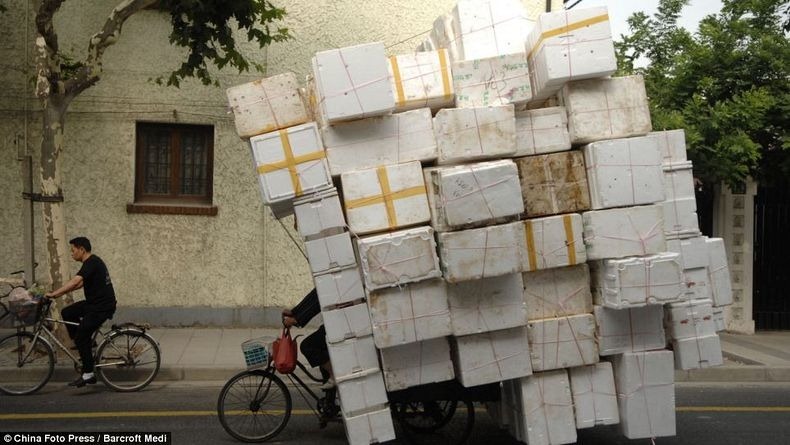
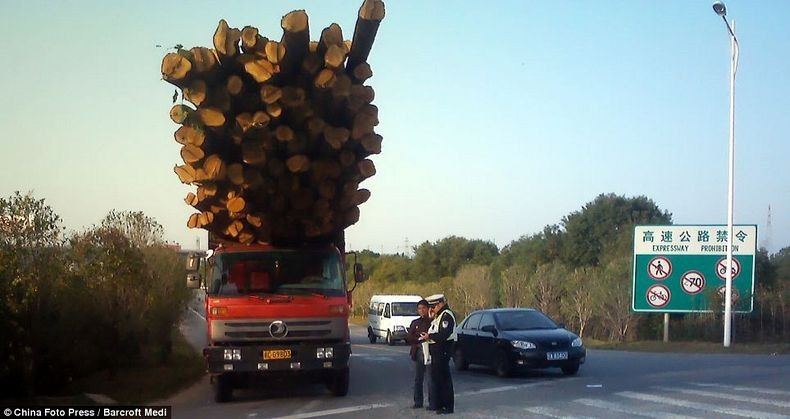
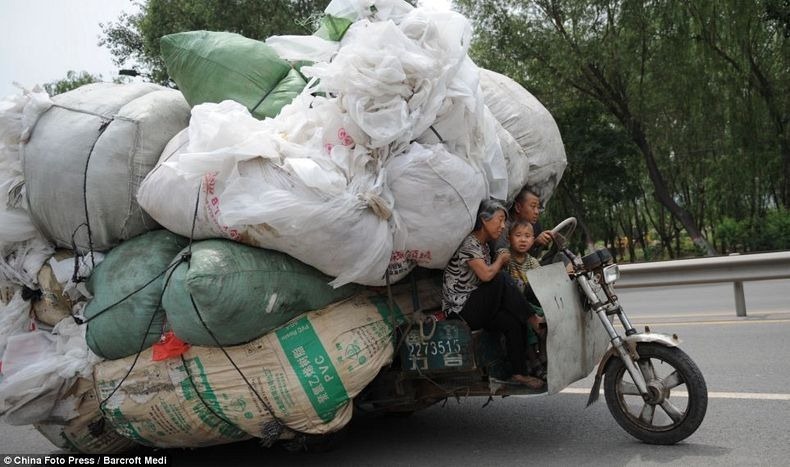
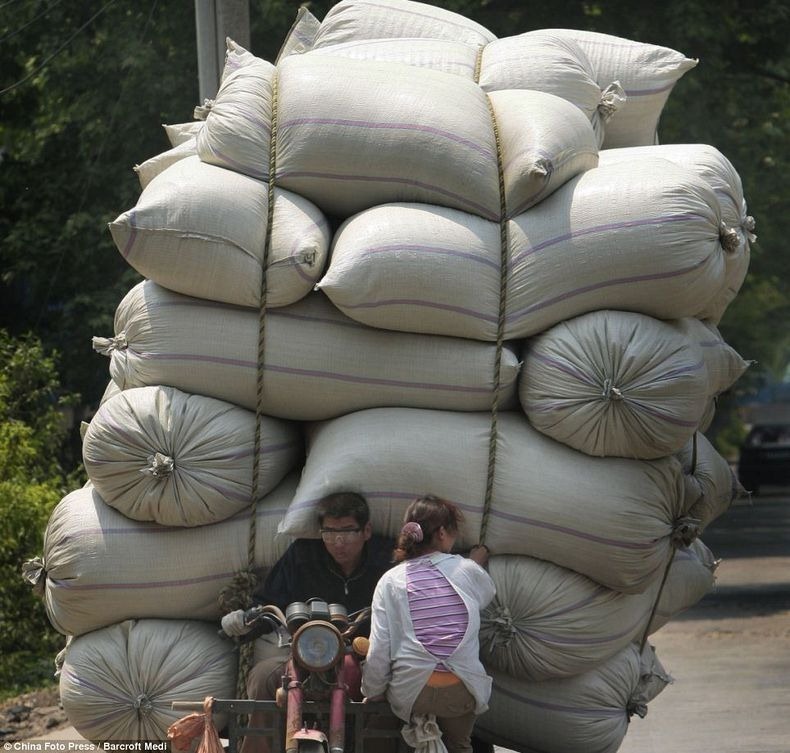
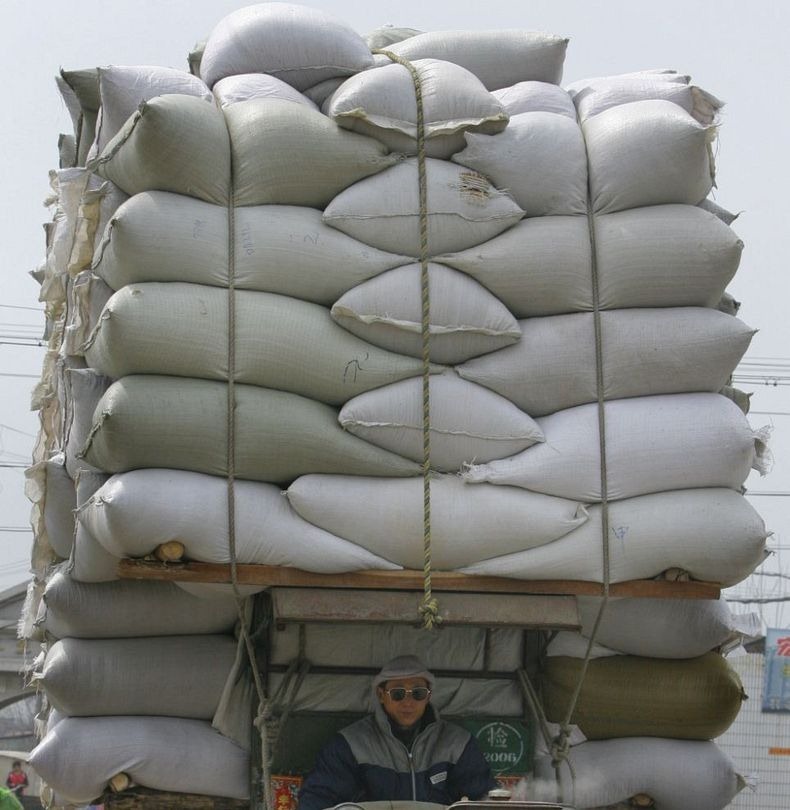
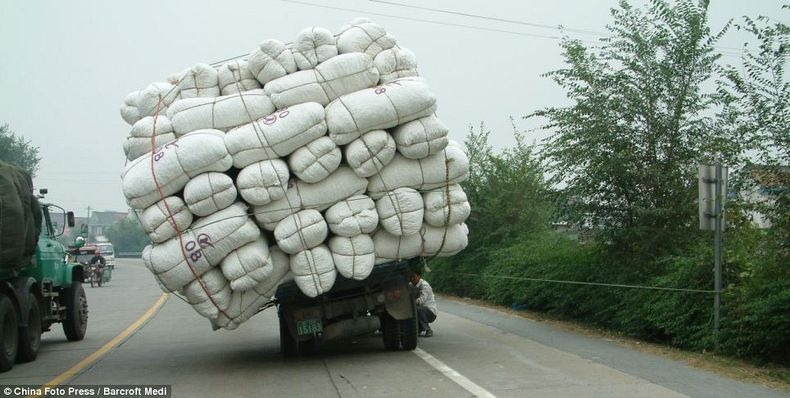
A collection of snaps, mostly taken on the highways of China and published by China Foto Press, reveal drivers who load up their vehicles far beyond their limits as they go about their daily business. These pictures show ridiculously heavy trucks, bikes and tractors with goods piled up to 20 feet above their heads, leaning at unusual angles under the load.

"Highway and bridge tolls in China are too high for transportation companies," said Cui Zhongfu, secretary-general of the China Federation of Logistics and Purchasing. "Sometimes, they can account for as much as 20 percent of the total expense." Therefore, many companies carry too much freight to try to make trips more profitable and compete with rivals.

overloaded-vehicles-china-10

Overloading is a serious problem in China and a hazard for other vehicles and pedestrians. According to authorities, 80 percent of trucks are overloaded. These vehicles have been damaging the country's crumbling highways and collapsed many bridges in the past.

For months, a bridge over the Qiantang River in Hangzhou, that was designed for vehicles weighing only 30 tons and trailers weighing 55 tons, was abused by truckers carrying loads in excess of 100 tons. The bridge finally gave away in July 2011, when a 129-ton truck tried to cross it. In the same month, a bridge in Yancheng, Jiangsu province and another 301-meter steel-arch bridge in Wuyishan, Fujian province, collapsed. Both bridges had been built about 10 years ago.

China has about 660,000 bridges, the most of any country in the world. But each year, more than a dozen of them collapse. Overloading is one of the many reasons of bridge failure.
overloaded-vehicles-china-11
overloaded-vehicles-china-1
overloaded-vehicles-china-2
overloaded-vehicles-china-3
overloaded-vehicles-china-5
overloaded-vehicles-china-6
overloaded-vehicles-china-7
overloaded-vehicles-china-8
overloaded-vehicles-china-9
overloaded-vehicles-china-12
overloaded-vehicles-china-13
overloaded-vehicles-china-14
overloaded-vehicles-china-15
overloaded-vehicles-china-16
overloaded-vehicles-china-17
overloaded-vehicles-china-4
overloaded-vehicles-china-18
overloaded-vehicles-china-19
overloaded-vehicles-china-20
overloaded-vehicles-china-21

Sources: DailymailChina Daily

Chinese Sports School: Training or Torture?

MY GID - Friday, October 10, 2014
“Sport is a serious business at the Shichahai School, which is one of more than 300 elite, and controversial, government-funded academies devoted to training the next generation of Chinese athletes”, writes Telegraph in a report published in 2008, just before the Beijing Olympics.

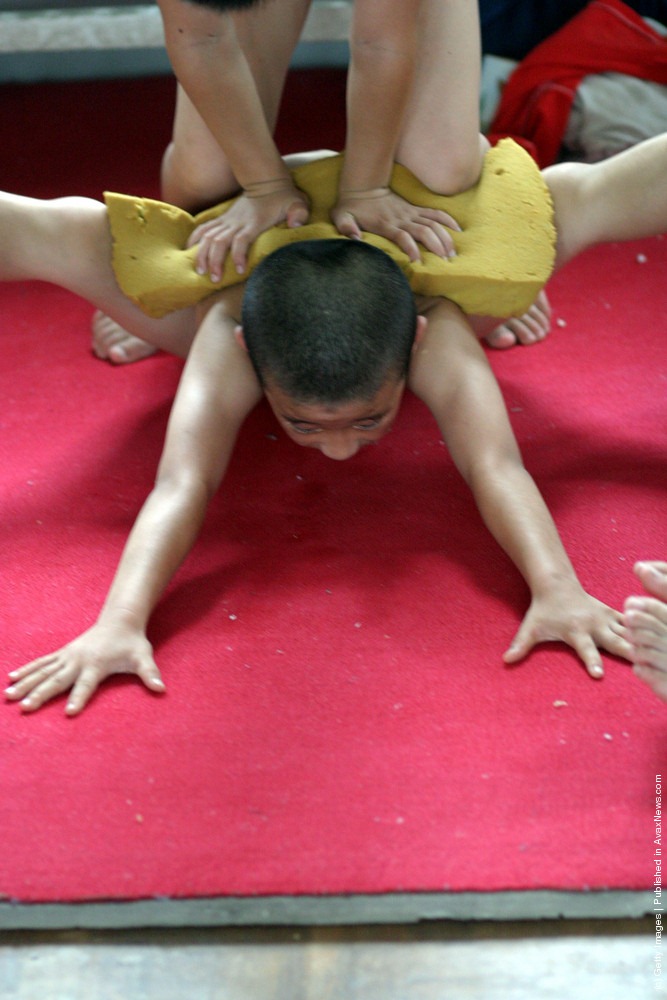
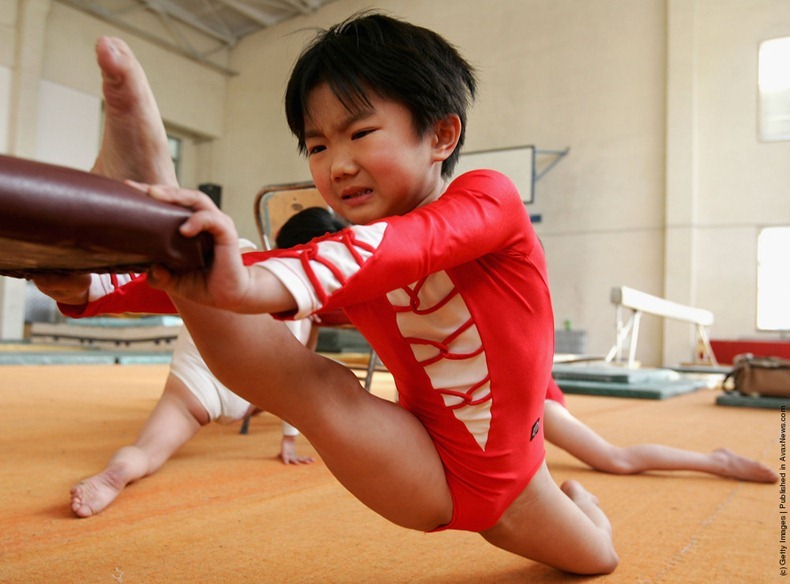
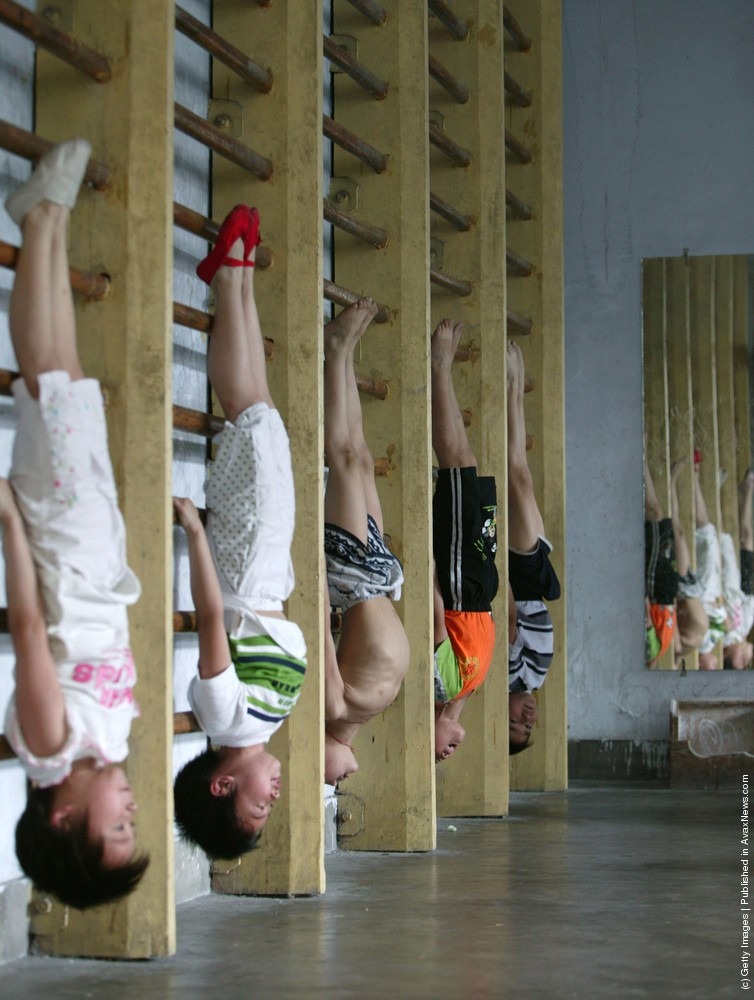
Training for sports starts at a young age in China. Most were scouted at the tender age of six and sent to special sports schools along with thousands of others who showed promise. The majority don't make the grade but for those that remain, the pressure to win is intense.
china-sports-school1

Some 600 children aged between six and 18, from all over China, board full-time at the Shichahai Sports School. Six days a week, they study in the mornings and train for four hours in the afternoon. Parents are allowed to see their offspring only at the weekends, but most are willing to put up with the separation in the hope of reaping the lavish rewards won by Olympic champions. Parents of promising athletes who are poor are often given a home in their hometowns by the local sports bureau. Others just want a decent education for their children.

Shichahai has played a major role in producing top athletes for the country who go on to win gold medals in Olympics. But for all its success, the school, and the system it represents, has been accused of pushing its young charges too hard, and even of abusing them. On a visit to Shichahai in 2005, Britain's four-time Olympic rowing champion Sir Matthew Pinsent said he saw a seven-year-old girl crying while being made to do handstands, and a boy with marks on his back.

china-sports-school2

Six-year olds haul their heads above the bar repeatedly - their faces show the strain but they do not utter a sound. Often the coaches are strict and un-smiling. Some coaches are accused of regularly beating the students. In one case, the Liaoning Anshan Athletics School was found to be doping pupils as young as 15 with the hormones erythropoietin (EPO) and testosterone.

Wu Yigang, a professor at Shanghai University, told the Washington Post, “Some schools stress only sports and can be viewed as little more than athlete-producing assembly lines. They often require six hours of training or more a day. Many Chinese athletes have devoted so much of their time to training they can’t read beyond the fifth grade level.”

When these kids leave athletic schools, they can't do anything because they have no skills. Local sports commissions sometimes provide jobs, but in the end, many become factory workers. Some athletes are promised job as policemen when they retire, but these promises are often broken.
China Sports Daily estimates that 80 percent of China’s retired athletes suffer from unemployment, poverty or chronic health problems resulting from overtraining.

china-sports-school3
china-sports-school4
china-sports-school5
china-sports-school6
china-sports-school7
china-sports-school8
china-sports-school9
china-sports-school10
china-sports-school11
china-sports-school13
china-sports-school14
china-sports-school15
china-sports-school16
china-sports-school17
china-sports-school18
china-sports-school19
china-sports-school20
china-sports-school21
china-sports-school22
china-sports-school23
china-sports-school24

Source: TelegraphFactsanddetails, Pictures: Getty Images via Avaxnews

The Bizarre Sport of Goose Pulling

MY GID - Friday, October 10, 2014
Goose pulling is an old sport originally played in parts of the Netherlands, Belgium, England and North America from the 17th to the 19th centuries. The sport involves a goose that is hung by its legs from a pole or rope that is stretched across a road. A man riding on horseback at a full gallop would attempt to grab the bird by the neck in order to pull the head off. 

Whoever makes off with the head is declared winner and becomes the noble hero of the day. Goose pulling is still practiced today, in parts of Belgium and in Grevenbicht in the Netherlands as part of Shrove Tuesday and in some towns in Germany as part of the Shrove Monday celebrations.

During the old days a live goose was used. To make the sport challenging, the goose's neck was generously oiled to make it difficult to retain a grip on it, and the bird's constant fluttering and flailing made it difficult to target it in the first place. Sometimes "a nigger” with a long whip in hand was stationed near the target who would harass the horse as he passed by.

goose-pulling-3

The prizes of a goose-pulling contest were trivial – often the dead bird itself, other times contributions from the audience or rounds of drinks. The main draw of such contests for the spectators was the betting on the competitors, sometimes for money or more often for alcoholic drinks.

Today, instead of live geese, dead ones are used, but that doesn’t make the sport any less brutal. Even during the old days when animal brutality were common, goose pulling was often frowned upon and sometimes compared to the barbarous practice of bull-fighting.

Goose pulling largely died out in the United States after the Civil War, though it was still occasionally practiced in parts of the South as late as the 1870s. However, in Grevenbicht in the Netherlands and in parts of Belgium and Germany, goose pulling – using a dead goose that has been humanely killed by a veterinarian – continues to this day as part of traditional Shrove Tuesday celebrations. 

It is referred to as Ganstrekken in the Netherlands, Gansrijden in Belgium and Gänsereiten in Germany. Although the use of live geese was banned in the 1920s, the practice still arouses some controversy. In 2008 the Dutch Party for Animals (PvdD) proposed that it should be banned. The organizers rejected the proposal, pointing out that there was no question of cruelty to animals because the geese were already dead.

Belgian goose pulling is accompanied by an elaborate set of customs. The rider who succeeds in pulling off the goose's head is "crowned" as the "king" for one year and given a crown and mantle. At the end of his "king year" the ruling king has to treat his "subjects" to a feast of beer, drinks, cigars and bread pudding or sausages held either at his home or at a local pub. The kings compete with each other to become the "emperor".
goose-pulling-1
Goose pulling in 19th-century West Virginia
goose-pulling-11
Goose pulling in Belgium. Photo credit
goose-pulling-12
Goose pulling in Antwerp, Belgium. Photo credit
goose-pulling-10
Goose pulling in Grevenbicht, the Netherland.
goose-pulling-6
goose-pulling-5
goose-pulling-4
goose-pulling-8
goose-pulling-7
goose-pulling-2

Source: Wikipedia. Photos: Geenstijl.nl
Previous
Editor's Choice